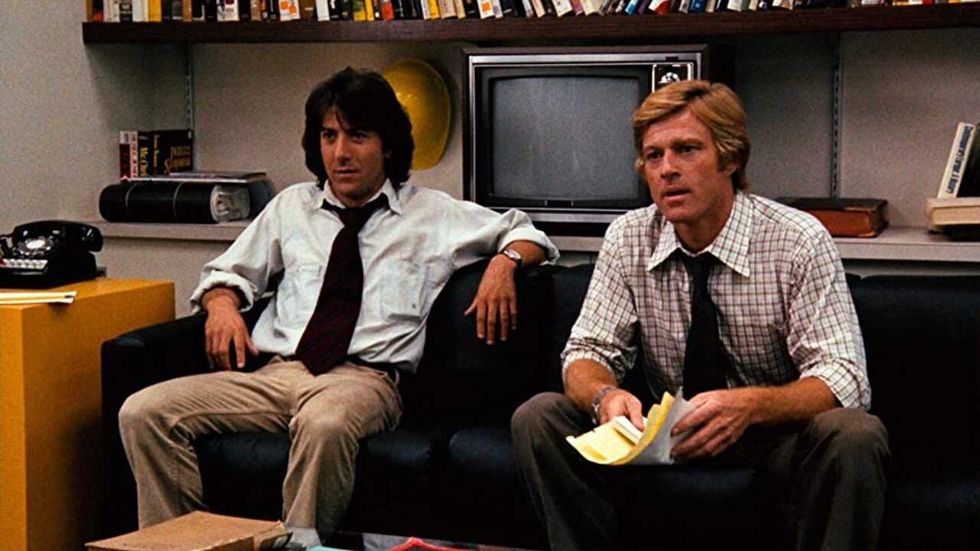
One of the most common notes that I find myself giving in my consultancy work with screenplays is that the characters need to be looked at more. Whether they lack individuality, arcs, backstory, what have you. Making a properly fleshed-out character that a reader or a future viewer cares about is one of screenwriting’s greatest challenges. And the best solutions aren’t what you might think.
Let’s talk about some points that Big Red Stripe on YouTube brings up in their video on the subject, as well as my personal two cents.
Know the Difference Between a Symptom and an Actual Issue
A lot of times what people assume are the issues with their or someone else’s screenplays aren’t actually the issue at all. They may be a symptom contributing to a larger problem, but the point on its own isn’t the inherent issue.
A big example I like to use is predictability. Predictability on its own is not a dealbreaker issue with a script. We have been telling the exact same stories with the exact same characters and structures for thousands of years, and we’re still moved by them a lot, even when we can guess what’s about to happen. If you start to notice and be annoyed by being able to guess where a story is going, it’s far more likely to be caused by an issue with characters, pacing, or a potential lack of voice. This point stands with boring characters.
What Actually Makes a Character Boring?
 ‘Magnolia’Credit: New Line Cinema
A common and understandable response that a writer tends to have when told that their characters might be boring is that they jump to add more backstory, depth, or *gasp* tragic childhood events long buried to try and make them more interesting to read. This is in actuality just putting a band-aid on a deep cut wound that likely needs stitches.
Have you ever watched a movie where a character has so much deep-seated trauma and angst that they are struggling to overcome, and yet at the same time you just couldn’t care less about what happens to them no matter how hard you try? If you answered yes, that’s great. It happens to me all of the time. And that’s because a lot of writers have their character priorities slightly mixed up.
Just like in real life, people care a lot less about what has happened to a character or who they were in the past. They care far more about who they are now, and what their present goals are. Readers and viewers would much rather watch a character with no real backstory that has a clear, present, time-sensitive want or need than someone who’s trapped by past demons, no matter how thematically rich, if there’s not a present goal that coincides with them.
I threw in a frame of Tom Cruise from Magnolia at the top of this header because this character is a perfect example of having the best of both worlds. Cruise’s character in the film is loud, pompous, misogynistic, and clearly suffering behind his overblown exterior. What is the big “why?” for why he is this way? His estranged relationship with his father. Ok, great. Now what’s the big story arc for him by the end of the film that satisfies his present needs and wants? Reconciling with his father on his deathbed. Boom. Present need and want satisfied while having all of the mushy backstory stuff.
This minimal description is not meant to minimize the film’s impact; it’s truly spectacular. But I simplify it in this way to show that different scripts and different characters have different priorities. Imagine how annoying it would be to have shoehorned in Indiana Jones’ tragic parental backstory into Raiders of the Lost Ark? I don’t need to know that stuff to love that movie. That’s why we have The Last Crusade!
How to Know What Your Script Needs
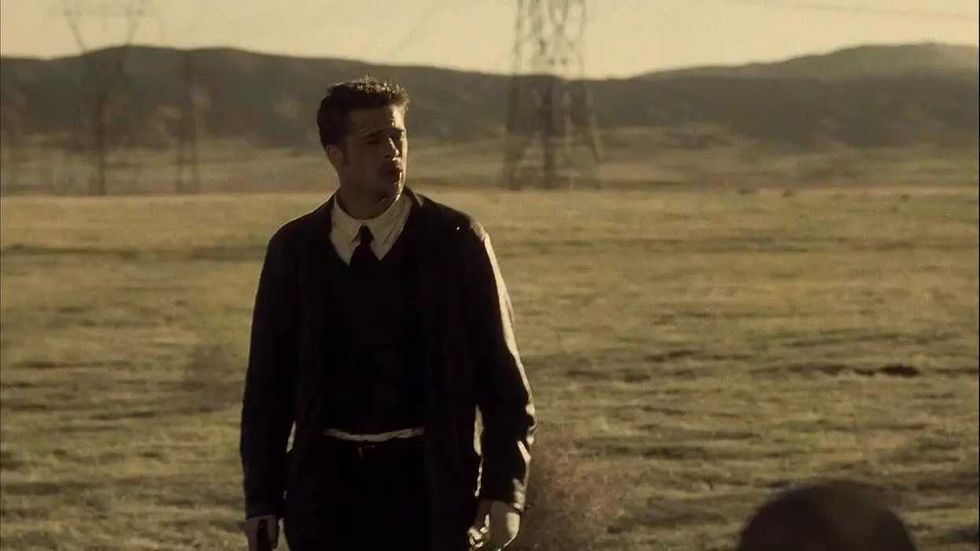 ‘Se7en’Credit: New Line Cinema
This is another point that can be tough because screenwriting is never one size fits all for points like this. This may sound a bit like a cop-out answer, but you’re really the only one who can know for sure what your story needs.
Obviously, the first step is to prioritize the wants and needs of a character that will allow them to experience a concrete arc. Once this part is completed and you’re able to establish the present-day who, what, when, where, and why, then you can start to take a step back. Will this script or this character improve by adding more backstory and depth? Maybe it will, maybe it won’t. But if it won’t, the big thing here is to trust that instinct. Don’t just add it because it makes you feel better. If it doesn’t serve the story or the character, it needs to go. That’s how all of the best scripts of all time are written. Slashing the heck out of them and removing potentially substantive stuff for the greater good.
If after all of this you’re still unsure, find someone you trust and consult with them. Feedback in these areas is always how we grow. Keep your eye on the prize, everyone. Happy writing!
Author: Eric Hardman
This article comes from No Film School and can be read on the original site.
