It might be an understatement to say the world of creative technology is changing rapidly. In the past few decades, we’ve seen film transfer to video, transfer to digital, and now, on the cusp of an AI revolution, more transfers could be on the way.
Yet, for those looking to shoot films and projects with today’s modern workflows, you have more advanced, sophisticated, and versatile cameras and workflows at your disposal than ever before.
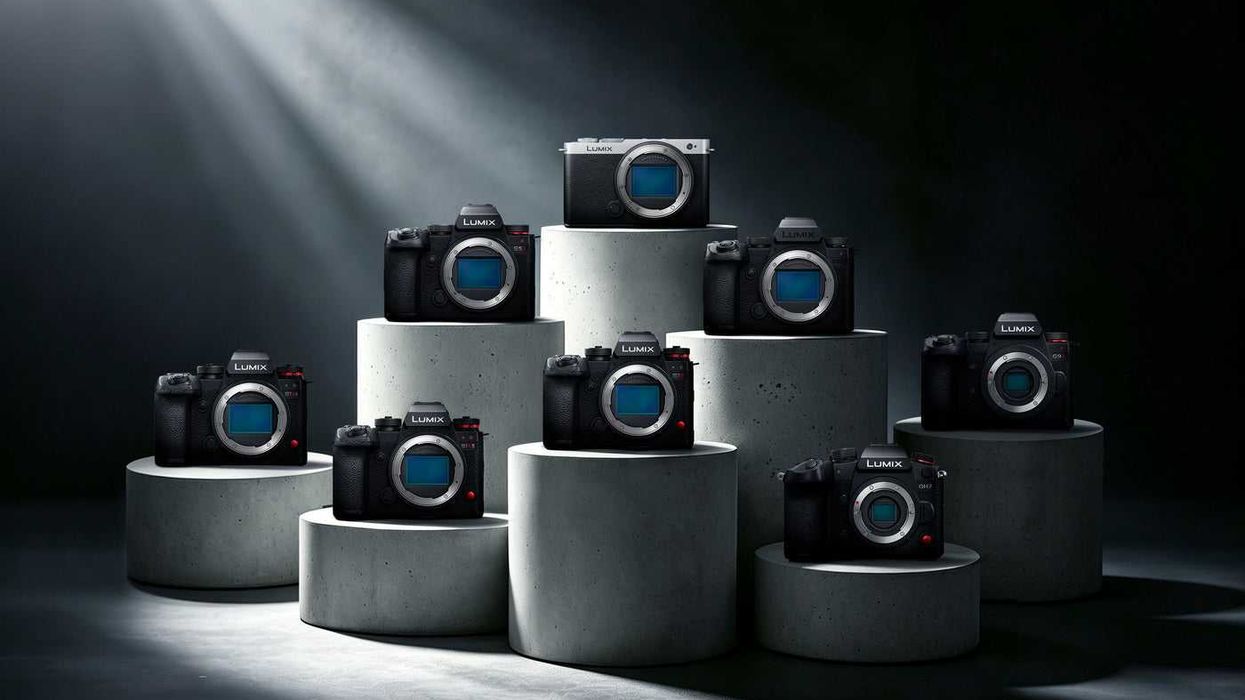
And for those looking to build a camera workflow that can handle the realities of modern production, where image quality, video capabilities, speed, and flexibility all matter, here’s a helpful guide to staying ahead with these LUMIX cameras.
The Modern Filmmaking Workflow
So, as mentioned above, while we live in a moment in time where film and video workflows are more streamlined than ever before, the choices we make in terms of what cameras, gear, and tools we use are more important now than ever, as these decisions can greatly impact speed and performance in all parts of production.
The true workflow of digital film and video these days follows this pattern:
Capture → Media → Edit → Color → Review → Delivery
As independent filmmakers, cinematographers, director-shooters, or any other manner of videographers and creative professionals working across narrative, documentary, commercial, music videos, branded content, etc… this workflow will pretty much remain constant.
Let Your Story Dictate Your Decisions
The big goal here for all filmmakers and creatives is not only to optimize their workflows, but to keep enough bandwidth and flexibility to make cinematic and thematic decisions in their productions, not just practical ones to appease time and schedules.
The story at the heart of your project will always be the most important part to explore, so if you can remove friction in each step of the process (particularly early) you can truly begin. With that in mind, here are some tips to streamline your workflow early in your filmmaking process.
- Capture with post in mind – Consider format, framing and deliverables before pressing record.
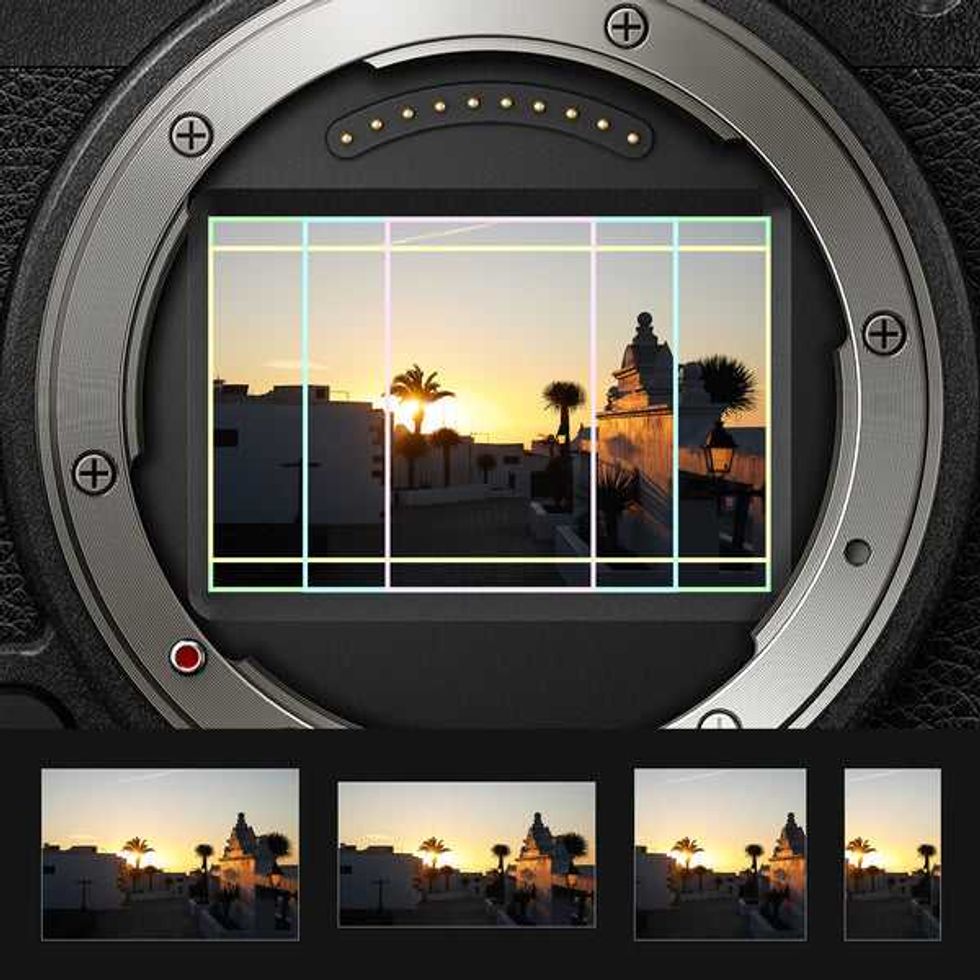
- Build flexibility into the image – Show how tools such as Open Gate can give filmmakers more flexibility when projects require different outputs.
- Make the look part of the workflow – Discuss how tools such as Real Time LUT can connect decisions made during production with the intended final look.
- Think beyond the camera body – Focus on the complete production-to-post workflow, especially as projects become more demanding.
LUMIX Cameras to Consider
Now, moving to the practical side of these workflow points, let’s look at some top camera options to integrate into your projects to unlock your full creative capabilities.
These LUMIX cameras are all designed with modern filmmakers and videographers in mind and feature the latest technologies which not only offer the top specs, but also workflow-minded features which should help you across all steps in your creative filmmaking processes.
The first camera we’ll highlight is the LUMIX S5IIX, an agile, video-focused camera that could serve as an ideal camera for filmmakers looking for high-end video, plenty of capture and media support, and a ton of flexibility for you to tap into in your color and edit phases.
Some key features of the LUMIX S5IIX include:
- 6K Open Gate
- ProRes-to-SSD capture
- Real Time LUT
- Dual Native ISO
- High-quality unlimited video recording
- Livestreaming capabilities – wirelessly or via USB
- Frame.io
The second camera we recommend is the LUMIX S1II, the pro step-up from the S5IIX and even more ideal for filmmakers whose productions and workflow requirements are becoming more demanding.
Here are some key features for the LUMIX S1II:
- 24.1MP partially stacked CMOS sensor for high-speed readout
- Open Gate 6K 30p (3:2) and 5.1K 60p (3:2) recording
- C4K/4K 120p high frame rate video
- 15 stops of Dynamic Range
- ARRI LogC3 compatibility
- 32-bit float recording
- AI-powered Phase Hybrid AF
- Direct transfers from the CFexpress Type B or SD memory card to an external SSD
- Real Time LUT
- Frame.io
- Capture One
Both cameras also support the LUMIX Lab and LUMIX flow apps.
Further Unlock Capabilities With Open Gate Recording
One of the most important aspects of modern filmmaking and video recording, a recording feature built-in to the two cameras listed above, is Open Gate recording. Perhaps the single most important innovation in digital video since the jump from 1080p to 4K/6K/8K, Open Gate recording captures the camera’s full sensor area, giving creators the freedom to focus on the story first and decide on the format later.
This extra flexibility lets shooters turn a single idea into footage that can become a TikTok, an Instagram Reel, a YouTube Short, and a horizontal video for a website or client.
This overall provides more flexibility to crop, reframe, and adapt footage for multiple aspect ratios when it comes time to edit. Instead of creating separate videos for every platform, creators can streamline multi-platform content creation from a single recording session without sacrificing quality.
If you’re curious about how to work with Open Gate, including how to combine it with Flexible Framing Guides, Real Time LUT, and the LUMIX Lab App, you can read more about the fullLUMIX Open Gate workflow here.
Price and Availability
For those who are sold on making the most of the modern digital filmmaking revolution that we’re in, and best preparing themselves to take on bigger, more ambitious projects in the future, you can explore much more about the cameras mentioned above and further explore the rest of the LUMIX line of cameras on thecompany’s website here.
Author: Sponsored Content
This article comes from No Film School and can be read on the original site.
